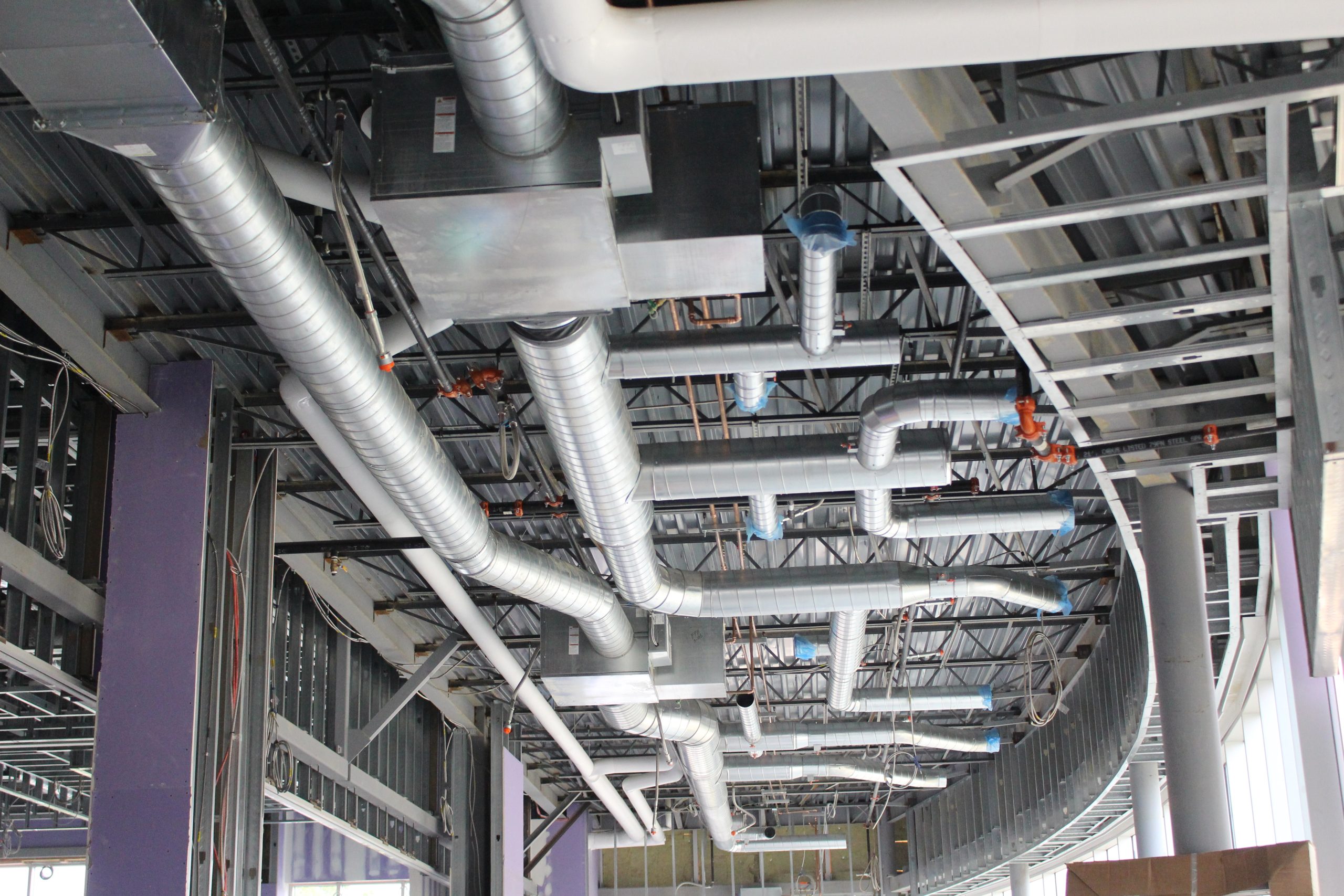
HVAC contractors measure temperature rise or drop during system inspections to evaluate the efficiency and proper functioning of heating and cooling equipment. Temperature rise refers to the difference in air temperature between the return air entering a furnace and the supply air exiting it when heating is active. Conversely, temperature drop applies to cooling systems, indicating how much cooler the supply air is compared to the return air. This measurement provides valuable insight into whether an HVAC system operates within its designed parameters.
One primary reason for measuring temperature rise or drop is to ensure that the system delivers adequate comfort while maintaining energy efficiency. If a furnace’s temperature rise is too high, it may indicate restricted airflow caused by dirty filters, blocked ducts, or malfunctioning blower fans. Excessive heat buildup can stress components like heat exchangers, potentially leading to premature failure or safety hazards such as cracks that cause carbon monoxide leaks. On the other hand, a lower-than-expected temperature rise suggests insufficient combustion or airflow issues that prevent effective heating.
For cooling systems, monitoring temperature drop helps verify if refrigerant levels are correct and if evaporator coils are clean and functioning properly. A smaller than normal drop could signal low refrigerant charge learn more here due to leaks or clogged coils restricting heat absorption from indoor air. Such conditions reduce cooling capacity and increase energy consumption while compromising occupant comfort.
Measuring these temperatures also assists contractors in diagnosing problems early before they escalate into costly repairs or complete system breakdowns. Regular checks allow technicians to identify inefficiencies resulting from wear and tear over time, enabling timely maintenance actions like filter replacement or coil cleaning. Additionally, verifying proper operation through accurate readings ensures installation quality meets manufacturer specifications and local codes.
Another important aspect involves safety considerations during inspections. Proper airflow indicated by correct temperature differences prevents overheating inside furnaces which might trigger limit switches shutting down equipment unexpectedly for protection purposes. Contractors use these measurements alongside other diagnostic tools such as pressure gauges and electrical tests for comprehensive evaluations.
In summary, measuring temperature rise during heating cycles and temperature drop during cooling cycles serves as a critical diagnostic method used by HVAC professionals to confirm efficient performance, detect potential malfunctions early on, maintain safety standards, optimize energy use, and ultimately extend system lifespan while ensuring reliable indoor comfort year-round.