
Category: Education

  • Complete Learning Resource for Sociology Macionis 19th Edition ebook

    Complete Learning Resource for Sociology Macionis 19th Edition ebook

    The “Complete Learning Resource for Sociology Macionis 19th Edition ebook” serves as an invaluable tool for students, educators, and enthusiasts of sociology. This comprehensive resource encapsulates the essence of the 19th edition of John J. Macionis’s widely acclaimed textbook, providing a thorough exploration of sociological concepts, theories, and applications in a digital format that is both accessible and user-friendly.

    Macionis’s textbook has long been regarded as a cornerstone in sociology education due to its clear explanations, contemporary examples, and engaging writing style. The 19th edition continues this tradition by incorporating recent social developments and research findings that reflect the dynamic nature of society today. The ebook version enhances this experience by offering interactive features such as hyperlinks to additional readings, multimedia content including videos and infographics, as well as quizzes designed to reinforce learning.

    One significant advantage of the Complete Learning Resource is its structured approach to covering core topics within sociology. Readers are introduced systematically to foundational themes such as culture, socialization, social structure, groups and organizations, deviance and social control, stratification systems like class and race/ethnicity inequalities, gender roles, family dynamics, education systems, religion’s role in society, politics and economy interactions along with global perspectives on these issues. Each chapter builds upon previous material while encouraging critical thinking through thought-provoking questions at the end.

    Moreover,the resource integrates current events seamlessly into discussions about sociological theories like functionalism,m conflict theory,symbolic interactionism,and feminist perspectives.This linkage helps learners understand how abstract 9780135431245 ideas translate into real-world phenomena.The inclusion of case studies from diverse cultures broadens understanding beyond Western-centric viewpoints which is crucial for developing a global outlook.

    Accessibility remains paramount with this ebook; it can be used across various devices whether tablets,laptops or smartphones making it convenient for users who prefer studying on-the-go.Additionally,it supports different learning styles by combining textual information with visual aids such charts,tables,and diagrams that simplify complex data interpretation.Furthermore,the availability of downloadable materials allows instructors to customize lesson plans or provide supplementary exercises tailored specifically toward their classroom needs.

    For those preparing for exams or assignments,this complete resource includes practice tests modeled after typical exam formats helping students gauge their comprehension effectively.It also offers tips on essay writing related to sociological topics enhancing academic skills alongside subject knowledge.Instructors benefit from ready-made lecture slides,presentation notes,and suggested discussion prompts facilitating smoother course delivery without compromising depth or quality.

    In conclusion,the Complete Learning Resource for Sociology Macionis 19th Edition ebook stands out not only because it captures all essential elements found within the printed textbook but also due to its enriched digital enhancements aimed at fostering deeper engagement with sociological study.It represents an ideal blend between traditional scholarshipand modern technology providing learners worldwide an opportunityto explore human societies critically while adapting flexibly totheir individual educational environments.This makes it an indispensable companion throughout one’s journey in understanding the complexities underpinning human behavior in societal contexts.

  • Exploring Local Menus: A Culinary Journey

    Exploring Local Menus: A Culinary Journey

    In today’s fast-paced world, dining experiences have evolved beyond mere sustenance. Exploring local menus has become a delightful journey that connects people to culture, flavors, and community. With the rise of food blogs and resources like https://tomandjerrysdekalb.com, diners are more informed and adventurous than ever. This topic frequently surfaces because understanding local menus helps enthusiasts discover hidden gems and signature dishes that define a region’s culinary landscape. Whether searching for traditional favorites or avant-garde creations, local menus offer a gateway to diverse gastronomic experiences, exemplified by the intriguing offerings at Mickey Fine and Glorietta Baldy.

    The Essence of Local Menus

    Local menus are more than just lists of dishes; they are narratives of a community’s culinary heritage. Restaurants like Mickey Fine have embraced this philosophy by crafting menus that celebrate local ingredients and time-honored recipes. Diners often find comfort in familiar dishes while being enticed by innovative spins that reflect the evolving tastes of the community. This balance between tradition and innovation is what makes local menus so captivating, as they continue to adapt to the preferences and expectations of their patrons.

    Navigating the Menu Landscape

    When exploring local menus, the key is to approach them with an open mind and a sense of curiosity. A site such as tomandjerrysdekalb.com offers valuable insights into the diverse culinary options available in a given area. Diners are encouraged to try dishes that are favorites, or “favs,” among locals. This approach not only broadens one’s palate but also provides a deeper understanding of the cultural significance behind certain dishes. Validation Ale, for instance, might be a local brew that pairs exceptionally well with regional specialties, offering a unique taste experience that is both refreshing and authentic.

    Embracing the Unfamiliar

    One of the joys of exploring local menus is the opportunity to embrace unfamiliar cuisines and flavors. Establishments like Glorietta Baldy specialize in creating dishes that challenge traditional boundaries while remaining deeply rooted in local culinary traditions. For adventurous diners, these menus are invitations to embark on a sensory exploration that can be both surprising and rewarding. By stepping outside their comfort zones, diners can discover new favorite dishes and gain a greater appreciation for the artistry and creativity that local chefs bring to the table.

    What to Keep in Mind Next

    As diners continue to explore local menus, it is essential to remain open to new experiences and willing to engage with the stories behind each dish. Embracing the local dining culture involves not only savoring the flavors but also understanding the community and traditions that shape them. Resources can be invaluable in guiding this journey, offering insights and recommendations that enhance the dining experience. As culinary landscapes continue to evolve, diners should keep an eye out for emerging trends and new establishments that enrich their local dining scene.

  • School Wellbeing Programs That Empower Young People Through Sport

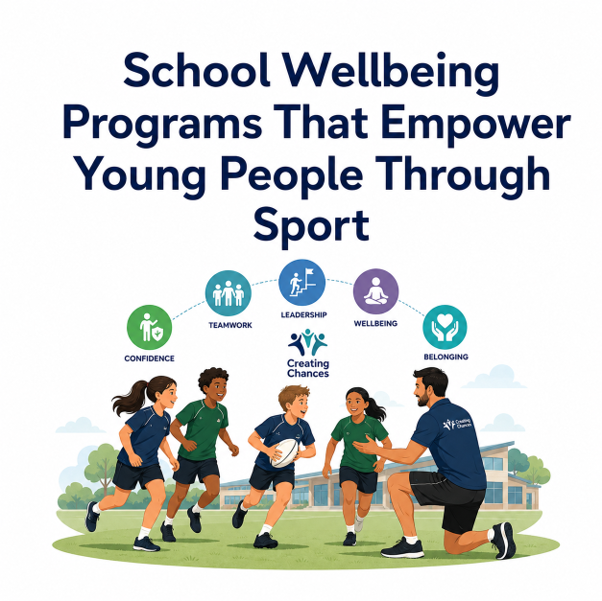
    School Wellbeing Programs That Empower Young People Through Sport

    Strong school communities are built when students feel safe, connected, and supported both inside and outside the classroom. Well-designed school wellbeing programs help students build confidence, strengthen relationships, and develop the life skills they need to thrive at school and beyond.

    One of the most effective ways to achieve these outcomes is through sport programs for youth. By combining physical activity with leadership, teamwork, and social learning, these programs create positive experiences that improve student wellbeing while encouraging greater engagement with school.

    At Creating Chances, we work alongside schools to deliver evidence-based wellbeing programs that use the power of sport to help young people develop confidence, resilience, and a stronger sense of belonging.

    What Are School Wellbeing Programs?

    School wellbeing programs are structured initiatives that support students’ emotional, social, and mental wellbeing while creating positive and inclusive learning environments. They help students build important life skills, strengthen relationships, and develop the confidence needed to succeed both academically and personally.

    Many schools now recognise that wellbeing extends beyond classroom learning. That’s why sport programs for youth have become an important part of supporting student development. Sport creates opportunities for young people to learn teamwork, communication, resilience, and leadership through practical, engaging experiences.

    Together, wellbeing initiatives and sport-based learning help schools create environments where every student has the opportunity to grow.

    Why School Wellbeing Programs Matter

    Today’s young people face increasing social, emotional, and academic pressures. Schools play a vital role in helping students build the confidence and resilience needed to navigate these challenges.

    Effective school wellbeing programs help students:

    • Develop confidence and self-belief.
    • Improve emotional wellbeing.
    • Build stronger relationships with peers.
    • Strengthen communication skills.
    • Feel more connected to their school community.
    • Develop resilience through positive experiences.

    When wellbeing is prioritised, students are often more engaged, more motivated to learn, and better equipped to overcome challenges.

    How Sport Programs for Youth Support Student Wellbeing

    Sport provides much more than physical activity. Well-designed sport programs for youth create safe, inclusive spaces where students can develop practical life skills while building positive relationships with others.

    Through structured activities, young people learn to:

    Build Confidence

    Taking part in sport encourages students to step outside their comfort zones, celebrate achievements, and develop greater self-confidence.

    Strengthen Teamwork

    Working towards shared goals teaches communication, cooperation, and respect for others—skills that benefit students throughout their lives.

    Develop Leadership Skills

    Students are encouraged to make decisions, solve problems, and support their peers, helping them become confident leaders both inside and outside school.

    Improve Emotional Wellbeing

    Regular participation in positive group activities helps reduce stress, improve mood, and strengthen emotional resilience.

    Create a Sense of Belonging

    Inclusive sport programs help every student feel valued, connected, and supported regardless of their background or ability.

    By combining wellbeing education with practical experiences, sport programs for youth become a powerful tool for creating positive school cultures.

    Benefits of School Wellbeing Programs

    Investing in school wellbeing programs creates long-term benefits for students, schools, and communities.

    These programs help:

    • Improve student engagement.
    • Encourage positive behaviour.
    • Build resilience and confidence.
    • Strengthen peer relationships.
    • Develop leadership and communication skills.
    • Support inclusive school environments.
    • Promote lifelong healthy habits.
    • Increase students’ sense of belonging.

    When students feel supported, they are more likely to participate, learn, and contribute positively to their school community.

    Why Schools Choose Sport-Based Wellbeing Programs

    Schools are increasingly looking for practical approaches that engage students while supporting both learning and wellbeing outcomes.

    Sport-based wellbeing programs offer several advantages because they:

    • Encourage active participation.
    • Make learning engaging and enjoyable.
    • Support students with different learning styles.
    • Build practical life skills through real experiences.
    • Create positive connections between students and educators.
    • Deliver measurable wellbeing outcomes.

    Rather than simply talking about resilience or leadership, students experience these skills through meaningful participation.

    Why Schools Partner with Creating Chances

    Creating Chances works with schools across Australia to deliver evidence-based school wellbeing programs that empower young people through sport.

    Our programs are designed to help students develop confidence, resilience, leadership, and stronger community connections while creating positive learning environments.

    Schools choose Creating Chances because we provide:

    • Evidence-based youth development programs.
    • Experienced facilitators.
    • Inclusive and engaging program delivery.
    • Strong partnerships with schools and communities.
    • Practical activities that build life skills.
    • Measurable social and wellbeing outcomes.

    Every program is tailored to meet the unique needs of each school while creating meaningful experiences for students.

    Creating Stronger School Communities Through Wellbeing

    Supporting young people requires more than academic success alone. Schools that invest in school wellbeing programs create environments where students feel safe, respected, and empowered to reach their potential.

    When combined with engaging sport programs for youth, wellbeing initiatives help students develop the confidence, resilience, leadership, and social skills they need to succeed both in school and throughout life.

    By working together, schools and community organisations can create lasting opportunities that support healthier, more connected, and more inclusive communities for future generations.

  • Find the Latest Introduction to Business Law 7th Edition PDF for Students

    Find the Latest Introduction to Business Law 7th Edition PDF for Students

    In the ever-evolving landscape of education, access to updated resources is crucial for students aiming to excel in their studies. One such valuable resource is the “Introduction to Business Law, 7th Edition.” This edition serves as a comprehensive guide for those delving into the intricacies of business law, offering insights that are both foundational and contemporary. With its latest updates, this textbook continues to be a pivotal tool for students seeking to understand the legal environment in which businesses operate.

    The seventh edition of “Introduction to Business Law” has been meticulously revised to include recent developments in business law. It addresses new legal precedents and incorporates changes brought about by technological advancements and global economic shifts. These updates ensure that students are not only learning established principles but also gaining knowledge relevant to today’s dynamic business world.

    One of the standout features of this edition is its approachable writing style. The authors have made complex legal concepts accessible through clear explanations and practical examples. This approach demystifies business law for students who may be encountering it for the first time or those who find legal jargon intimidating. By breaking down intricate ideas into understandable segments, the book enables learners to grasp essential concepts without feeling overwhelmed.

    Moreover, this edition includes case studies that reflect real-world scenarios. These cases serve as illustrative tools, bridging theory with practice and helping students see how laws apply in actual business situations. Through these examples, learners can better appreciate the relevance of what they are studying and understand how theoretical principles manifest in everyday operations within various industries.

    The digital format of this textbook offers additional benefits for modern learners who prefer accessing materials on electronic devices. A PDF version allows easy navigation through chapters and sections while providing interactive features like search functions and hyperlinks that enhance usability. Students can highlight text, make annotations, or bookmark important pages — all actions that facilitate efficient study habits.

    For educators teaching courses related to business law or introductory legal studies programs, having a reliable textbook is indispensable. The “Introduction to Business Law 7th Edition PDF provides them with an up-to-date curriculum foundation from which they can build lectures or assignments tailored specifically towards engaging their classes effectively.

    As academia increasingly embraces digital transformation across disciplines worldwide due partly because it enables wider dissemination at lower costs compared traditional print publications; finding downloadable versions becomes more pertinent than ever before especially considering budget constraints faced many educational institutions globally today when procuring necessary teaching aids including textbooks like these ones being discussed here now!

    In conclusion: Whether you’re student embarking journey understanding fundamentals governing commercial transactions regulations underpinning corporate structures alike—or teacher looking impart knowledge next generation professionals—having access latest Introduction Business Law Seventh Edition invaluable asset!

  • Practical Nursing Education Using Clinical Reasoning 3rd Edition

    Practical Nursing Education Using Clinical Reasoning 3rd Edition

    “Practical Nursing Education Using Clinical Reasoning, 3rd Edition” serves as an essential resource for nursing educators and students alike, striving to bridge the gap between theoretical knowledge and practical application in the clinical setting. This edition emphasizes the critical importance of clinical reasoning, a fundamental skill that enables nurses to make informed decisions, prioritize patient care effectively, and adapt to rapidly changing healthcare environments.

    The third edition builds upon its predecessors by incorporating contemporary teaching strategies designed to enhance clinical reasoning skills among nursing students. It acknowledges that while technical proficiency is crucial in nursing practice, the ability to think critically and reason clinically is what ultimately differentiates a competent nurse from an exceptional one. The book provides a comprehensive framework for developing these skills through various pedagogical approaches tailored specifically for practical nursing education.

    One of the key features of this edition is its focus on experiential learning. It encourages educators to create immersive learning experiences that mimic real-world scenarios where students can apply their theoretical knowledge in practice. By engaging with realistic case studies and simulations, students are challenged to assess situations thoroughly, identify potential problems quickly, and devise appropriate interventions based on evidence-based practices.

    Furthermore, “Practical Nursing Education Using Clinical Reasoning 3rd Edition” integrates interprofessional collaboration into its curriculum design. Recognizing that modern healthcare delivery relies heavily on teamwork across different disciplines, this approach prepares future nurses not only to function independently but also as part of cohesive teams working towards common goals in patient care management.

    The authors have meticulously revised each chapter with updated content reflecting current best practices within the field of nursing education while maintaining clarity for both instructors and learners alike. They provide detailed guidance on how educators can implement active learning techniques such as problem-based learning (PBL), concept mapping exercises or reflective journaling assignments which promote deeper understanding through self-reflection coupled with peer feedback sessions fostering collaborative growth among peers during formative stages throughout coursework progression cycles over academic terms/semesters/yearly programs offered at institutions globally today!

    In addition – there’s increased emphasis placed upon integrating technology seamlessly within classroom settings; utilizing digital tools available now more than ever before enhances student engagement levels significantly thereby improving overall retention rates amongst cohorts enrolled across diverse geographical locations worldwide too! From virtual reality applications simulating complex medical procedures safely without risk involved whatsoever until hands-on experience gained under supervision later down line once qualified professionals themselves eventually graduate successfully completing all requirements necessary achieving licensure status granted respective governing bodies overseeing regulatory compliance matters pertaining thereto locally regionally nationally internationally wherever applicable accordingly so forth henceforth thereafter et cetera ad infinitum amen forevermore…

  • Modern Approaches to guitar setup course Training

    Modern Approaches to guitar setup course Training

    In today’s rapidly evolving music industry, the demand for skilled guitar technicians and setup experts has grown significantly. Modern approaches to guitar setup course training reflect this shift by combining traditional hands-on methods with innovative technology-driven techniques. These courses are designed not only to teach the fundamentals of guitar maintenance but also to equip students with advanced skills necessary for professional excellence in a competitive market.

    One of the key features of contemporary guitar setup training is its emphasis on comprehensive learning. Students begin by mastering essential concepts such as string height adjustment, neck relief measurement, intonation setting, and pickup height optimization. However, unlike older models that relied solely on manual tools and experience-based intuition, modern courses incorporate digital tools like laser measuring devices and electronic tuners that provide precise readings. This integration allows learners to achieve higher accuracy and consistency in setups.

    Another significant advancement is the inclusion of diverse guitar types in the curriculum. With electric guitars, acoustic guitars, bass guitars, and even extended-range instruments becoming more popular among musicians, training programs now cover specific requirements for each type. This broad exposure ensures that graduates can confidently handle a variety of instruments regardless of their design or construction.

    Online platforms have also revolutionized access to quality education in this field. Many institutions offer hybrid or fully online courses featuring video tutorials, interactive modules, live Q&A sessions with experienced technicians, and virtual workshops where students can practice troubleshooting common issues remotely. The flexibility afforded by these formats enables aspiring professionals worldwide to pursue their passion without geographical constraints.

    Moreover, modern learn guitar setup courses often highlight ergonomic considerations and player preferences during instruction. Technicians learn how adjustments impact playability depending on genre-specific styles or individual physical characteristics such as finger length or hand strength. Understanding these nuances helps create personalized setups tailored to enhance performance comfort and sound quality simultaneously.

    Sustainability practices are increasingly integrated into curricula as well; trainees are encouraged to use environmentally friendly materials when possible and adopt repair-first philosophies that extend instrument lifespan rather than opting for costly replacements prematurely.

    Finally, certification programs affiliated with recognized industry bodies add credibility to completed training paths while opening doors for employment opportunities at music stores, repair shops, recording studios or touring companies.

    In conclusion, modern approaches to guitar setup course training blend traditional craftsmanship with technological innovation along with a holistic understanding of musical needs-preparing students thoroughly for dynamic careers in instrument maintenance and customization within today’s vibrant musical landscape.

  • Comprehensive Guide to Environmental Law Case Materials

    Comprehensive Guide to Environmental Law Case Materials

    Environmental law is a complex and evolving field that addresses the regulation of natural resources, pollution control, and conservation efforts. For students, legal professionals, or researchers seeking to understand this area thoroughly, access to comprehensive case materials is essential. These materials provide insights into judicial reasoning, legislative intent, and practical applications of environmental statutes. A well-rounded collection typically includes court decisions, statutory texts, regulatory guidelines, scholarly commentary, and historical documents.

    Court cases form the backbone of environmental law study because they illustrate how laws are interpreted and enforced in real-world scenarios. Landmark decisions by supreme courts or appellate courts often set important precedents that shape future litigation and policy-making. Analyzing these cases helps users grasp key principles such as standing to sue in environmental matters, balancing economic interests with ecological protection, and assessing liability for pollution or habitat destruction. It is crucial to include both federal and state-level rulings since environmental regulation can vary significantly across jurisdictions.

    Environmental Law: Statutory and Case Supplement 2024-2025 (PDF) law by providing the legal framework within which disputes arise. Major statutes like the Clean Air Act or the Endangered Species Act establish standards for emissions limits or species protection that courts must apply when resolving conflicts. Updated versions of these laws are necessary for accurate research since amendments may alter compliance requirements or enforcement mechanisms over time.

    Regulatory materials issued by agencies such as the Environmental Protection Agency (EPA) offer detailed rules implementing statutory mandates. These documents explain procedural aspects like permitting processes or reporting obligations that affect businesses and individuals alike. Understanding agency interpretations aids in predicting regulatory trends and preparing effective legal arguments.

    Scholarly articles enrich comprehension by offering critical analysis of case outcomes and legislative developments from multiple perspectives. Law reviews often debate contentious issues such as climate change policies or water rights management while proposing reforms grounded in theory and practice.

    Historical sources trace the evolution of environmental legislation from early conservation efforts through modern sustainability initiatives. This context reveals shifting societal values influencing current legal norms.

    To assemble a thorough resource collection on environmental law cases requires combining diverse materials from libraries, online databases specializing in legal research platforms like Westlaw or LexisNexis remain invaluable tools due to their extensive archives and advanced search functions tailored specifically for legal content retrieval.

    In conclusion, mastering environmental law depends heavily on engaging with varied case materials encompassing judicial opinions, statutes, regulations, academic critiques,and historical records.