Category: Technology

  • Castle App Settings You Should Check First

    Castle App Settings You Should Check First

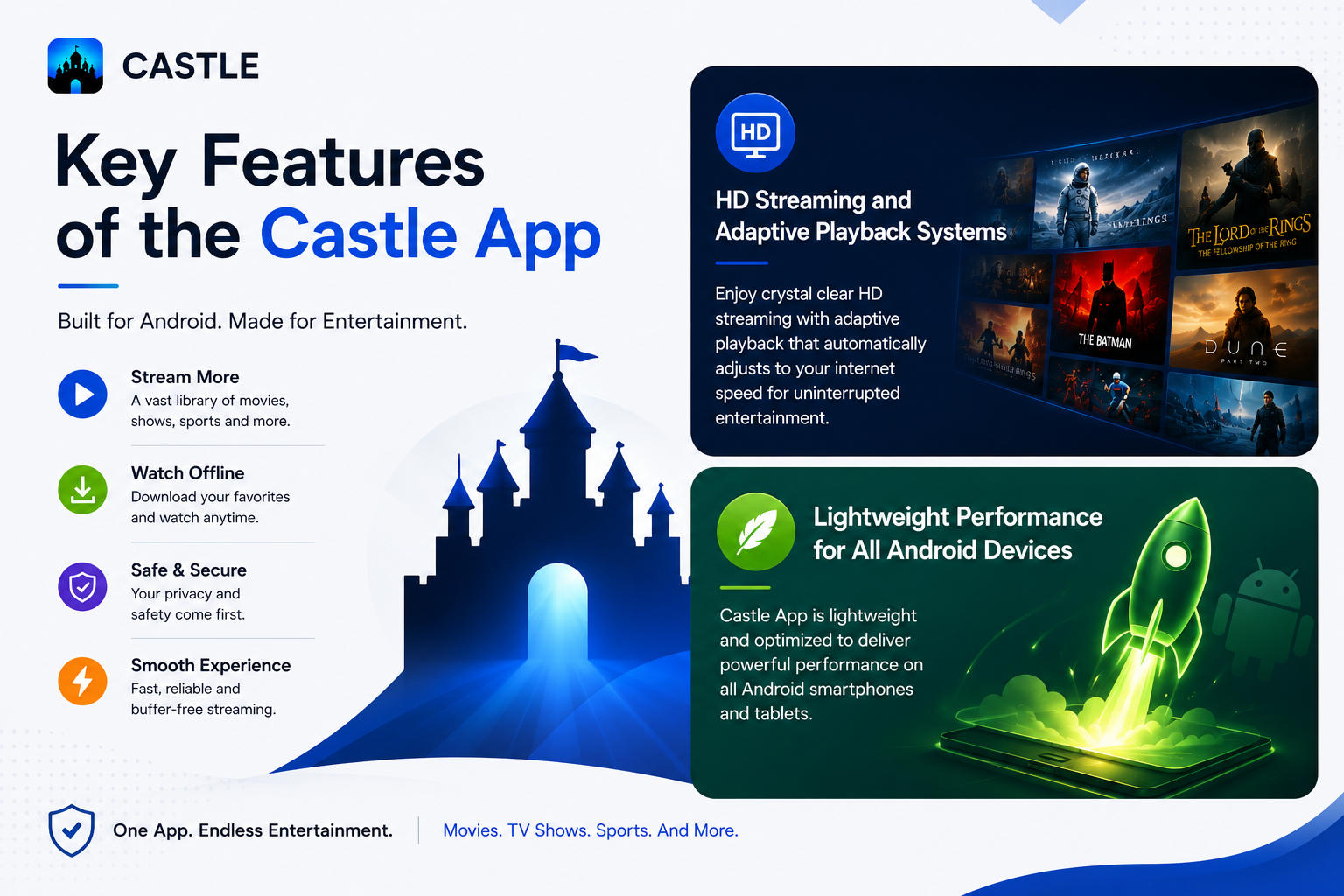
    When you begin using the Castle app, it’s important to familiarize yourself with its settings to ensure a smooth and secure experience. The app is designed to enhance security and streamline user management, but its full potential is unlocked only when configured properly. One of the first settings worth checking is your account security preferences. Castle offers multi-factor authentication (MFA), which adds an extra layer of protection beyond just a password. Enabling MFA significantly reduces the risk of unauthorized access by requiring additional verification steps during login. It’s advisable to set this up immediately after creating your account.

    Another critical setting involves notification preferences. castle app can alert you about suspicious activities or login attempts from unrecognized devices or locations. By customizing these alerts, you stay informed about any unusual behavior related to your account in real time, allowing for quicker response if needed. You can choose how you receive notifications-whether through email, SMS, or push notifications-and adjust their frequency based on your comfort level.

    Reviewing session management options is also essential when configuring Castle for the first time. This feature helps monitor active sessions across different devices and browsers linked to your account. If you notice unfamiliar sessions or devices that no longer require access, terminating those sessions immediately prevents potential breaches and keeps control firmly in your hands.

    Castle also allows administrators to define user roles and permissions within an organization or team environment. Setting appropriate access levels ensures that users have only the necessary privileges without exposing sensitive data unnecessarily. Carefully reviewing these roles during initial setup helps maintain organizational security policies while supporting efficient collaboration.

    Integration settings are another area worth exploring early on, especially if you plan to connect Castle with other software tools like identity providers or analytics platforms. Proper integration not only enhances functionality but also ensures consistent enforcement of security policies across multiple applications used within your workflow.

    Lastly, take some time to understand privacy controls available within Castle’s settings panel. These controls govern what personal information is collected and shared by the app and allow adjustments according to compliance requirements or personal preferences.

    By thoroughly checking these key areas-security options such as MFA; notification customization; session oversight; role assignments; integrations; and privacy controls-you establish a strong foundation for using Castle effectively while safeguarding both individual accounts and broader organizational resources against cyber threats from day one onward.

  • How AI Is Making Business Reporting More Accurate

    How AI Is Making Business Reporting More Accurate

    In recent years, artificial intelligence (AI) has revolutionized numerous aspects of business operations, with reporting being one of the most significantly transformed areas. Traditionally, business reporting involved manual data collection, analysis, and interpretation processes that were not only time-consuming but also prone to human error. AI is now playing a pivotal role in enhancing the accuracy and efficiency of these reports by automating complex tasks and providing deeper insights through advanced analytics.

    One of the primary ways AI improves business reporting accuracy is through automated data processing. Businesses generate vast amounts of data from multiple sources such as sales transactions, customer interactions, supply chain activities, and financial records. Manually compiling this information increases the risk of errors due to oversight or misinterpretation. AI-powered tools can seamlessly aggregate and cleanse data in real-time, ensuring that reports are based on consistent and accurate datasets. This automation reduces discrepancies caused by manual entry mistakes and outdated information.

    Moreover, AI algorithms excel at detecting anomalies within large datasets that might otherwise go unnoticed by human analysts. For example, machine learning models can identify unusual spending patterns or sudden changes in sales trends that could indicate fraud or operational inefficiencies. By flagging these irregularities early on, businesses can take corrective actions promptly while maintaining reliable reporting standards.

    Natural language processing (NLP), a subset of AI technology, further enhances report accuracy by facilitating clearer communication of complex data findings. NLP enables automated generation of narrative summaries that explain key metrics without ambiguity or bias often present in human-written reports. This clarity helps stakeholders make informed decisions based on precise interpretations rather than subjective opinions.

    Another significant advantage lies in predictive analytics powered by AI models capable of forecasting future trends using historical data patterns. These predictions allow companies to prepare more accurate financial projections and performance evaluations within their reports-leading to better strategic planning and resource allocation.

    Additionally, continuous learning mechanisms embedded in many AI systems mean they improve over time as they process more information from different scenarios across industries. As a result, businesses benefit from progressively refined analytical capabilities tailored specifically to their unique needs.

    Despite these advantages, it is important for organizations to maintain proper oversight when implementing AI-driven reporting tools to ensure transparency around how conclusions are drawn from raw data inputs. Ethical considerations must be addressed so that biases inherent in training datasets do not inadvertently skew results.

    In conclusion, Artificial Intelligence significantly elevates the precision and reliability of business reporting by automating labor-intensive processes while delivering insightful analyses grounded in comprehensive datasets. As companies increasingly adopt these technologies alongside traditional methods, they stand poised to achieve higher operational efficiency coupled with more confident decision-making frameworks supported by trustworthy reports reflecting true organizational performance metrics accurately at all times.

  • The Rise of AI-Driven Startups in the Business World

    The Rise of AI-Driven Startups in the Business World

    The business landscape is undergoing a transformative shift with the rapid emergence of AI-driven startups. These companies leverage artificial intelligence technologies to innovate, optimize processes, and create new value propositions that were previously unimaginable. The rise of AI-driven startups marks a significant milestone in the evolution of entrepreneurship, blending cutting-edge technology with agile business models to address complex challenges across various industries.

    Artificial intelligence has moved beyond theoretical research and niche applications; it now serves as a foundational element for many new ventures. Startups harness machine learning algorithms, natural language processing, computer vision, and predictive analytics to develop products and services that enhance decision-making, automate routine tasks, and personalize customer experiences. This integration allows businesses to operate more efficiently while delivering tailored solutions that meet specific market needs.

    One of the key drivers behind the growth of AI-driven startups is the increasing accessibility of advanced AI tools and cloud computing resources. Entrepreneurs no longer need massive capital investments or specialized hardware to experiment with AI technologies. Open-source frameworks like TensorFlow and PyTorch have democratized access to powerful machine learning capabilities, enabling small teams to build sophisticated applications rapidly. Furthermore, cloud platforms offer scalable infrastructure on demand, reducing upfront costs and accelerating time-to-market.

    These technological advancements coincide with growing investor interest in AI-focused ventures. Venture capital firms recognize the potential for substantial returns as AI reshapes numerous sectors including healthcare, finance, retail, logistics, and manufacturing. Startups developing innovative solutions such as automated diagnostic tools, fraud detection systems, personalized marketing platforms, or supply chain optimization software are attracting significant funding rounds that fuel further innovation.

    Moreover, regulatory environments are gradually adapting to support responsible deployment of AI technologies without stifling creativity. Governments worldwide are establishing guidelines around data privacy and ethical use while encouraging research collaborations between academia and industry. This balanced approach fosters an ecosystem where startups can thrive by building trust alongside technological progress.

    The impact of these startups extends beyond economic gains; they contribute to societal improvements by addressing pressing issues like climate change through smarter energy management or enhancing education via adaptive learning systems tailored for diverse learners. By embedding Artificial Intelligence into everyday operations and user interactions at scale, these young companies redefine how businesses engage customers and manage resources effectively.

    In conclusion, the rise of AI-driven startups signifies a paradigm shift in the business world characterized by innovation fueled through intelligent automation and data-centric strategies.