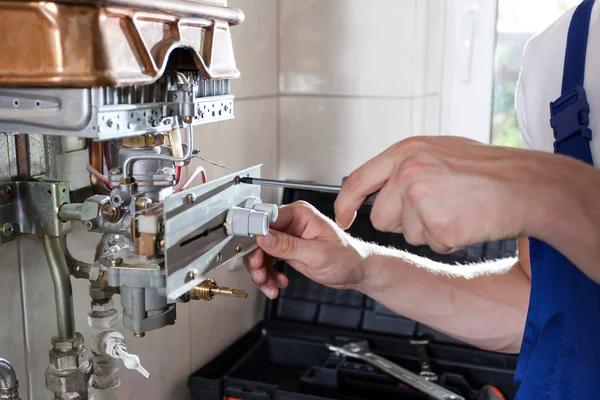
Unusual water pressure in a plumbing system can lead to a myriad of serious issues that often go unnoticed until significant damage has occurred. Water pressure refers to the force exerted by water as it flows through pipes, and maintaining an optimal level is crucial for the efficient functioning of any plumbing system. Both high and low water pressure can have detrimental effects on the infrastructure of a home or building.
High water pressure is one common issue that many homeowners face. While it may seem advantageous at first, allowing for stronger showers and faster filling times for sinks or bathtubs, excessive pressure can strain pipes and fixtures over time. This strain increases the likelihood of leaks occurring within walls, floors, or ceilings, which can result in costly repairs if not addressed promptly. Additionally, appliances such as dishwashers and washing machines are designed to operate within specific pressure ranges; exceeding these limits can shorten their lifespan significantly.
On the other end of the spectrum, low water pressure poses its own set of challenges. It often results from blockages in pipes due to mineral buildup or corrosion over time. Low pressure makes everyday tasks like showering or washing dishes frustratingly inefficient and time-consuming. explore more importantly, it could be indicative of larger underlying problems such as pipe leaks or breaks that require immediate attention from a professional plumber.
Both extremes disrupt the balance necessary for a well-functioning plumbing system and highlight the importance of regular maintenance checks by qualified professionals who understand how to assess and adjust residential or commercial systems effectively.
In addition to causing physical damage to infrastructure components like pipes and fixtures, unusual water pressures also contribute significantly to increased utility costs.